Featured
Table of Contents
- – The Expanding Need for Financial Debt Alleviat...
- – Recognizing Just How Financial Debt Mercy In F...
- – Insolvency Counseling: Needed Steps and Readil...
- – Contrasting Nonprofit Service Providers: What ...
- – Financial Debt Management Plans: The Happy Med...
- – Red Flags and Indication in the red Alleviation
- – Tax Obligation Ramifications of Forgiven Finan...
- – Deciding: Which Course Onward
- – The Path Toward Financial Healing
Financial hardship hardly ever reveals itself pleasantly. One unforeseen clinical expense, an abrupt work loss, or simply the steady buildup of high-interest credit history card equilibriums can change manageable month-to-month repayments right into an overwhelming burden. For numerous Americans bring five-figure debt lots, recognizing the distinctions in between financial obligation forgiveness programs, insolvency therapy, and debt management strategies has come to be vital understanding.
The Expanding Need for Financial Debt Alleviation Solutions
Consumer financial debt levels continue climbing throughout the USA, pushing more families toward seeking professional aid. The financial obligation relief industry has expanded alike, developing a complex industry where distinguishing reputable help from potentially harmful services needs mindful assessment.
Nonprofit credit history therapy firms have become a much safer option to for-profit debt settlement business, which customer security companies regularly warn versus. These nonprofits normally operate under government and state standards requiring transparent charge structures, cost-free preliminary examinations, and educational parts together with straight intervention services.
Organizations approved by the U.S. Department of Justice to provide credit rating therapy need to satisfy certain requirements, offering customers some guarantee of legitimacy. Names like Money Monitoring International, InCharge Financial Debt Solutions, and American Pacific Financial Services Corp (APFSC) stand for developed gamers in this room, each offering variations on core financial obligation alleviation services while preserving nonprofit standing.
Recognizing Just How Financial Debt Mercy In Fact Functions
Financial debt forgiveness, sometimes called debt settlement or "" much less than complete equilibrium"" programs, runs on a simple facility: financial institutions accept payment of much less than the complete amount owed, forgiving the remaining equilibrium. This approach differs basically from financial debt administration plans, where customers repay their full principal with reduced rates of interest.
The process usually requires accounts to be significantly overdue, normally 120 to 180 days unpaid. At this phase, creditors have actually often charged off the financial obligation and might choose worked out negotiations over seeking extensive collection efforts or taking the chance of complete loss through customer bankruptcy filings.
Qualified consumers deal with counseling firms to work out lowered balances, after that establish structured settlement strategies extending around 36 months. As soon as all agreed settlements complete, lenders forgive staying quantities. Some firms, consisting of APFSC and InCharge, deal particular credit card financial obligation mercy programs structured around these timelines.
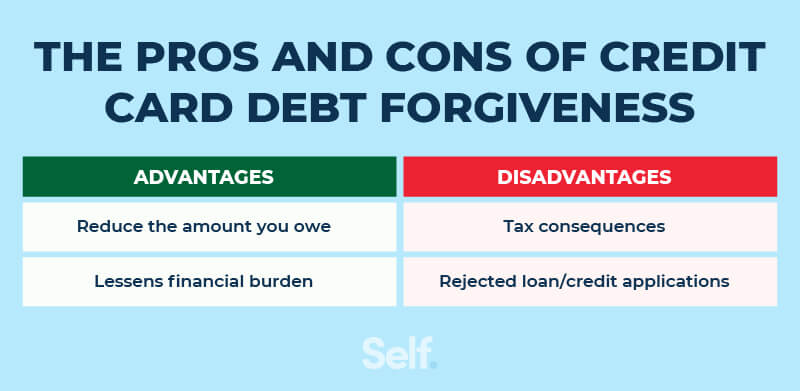
Financial obligation mercy lugs important factors to consider. Worked out quantities generally impact credit rating, though for customers currently in default, this impact might verify very little compared to continuous non-payment damage. Furthermore, forgiven debt commonly comprises taxable revenue under federal laws, potentially creating unanticipated tax responsibilities.
Insolvency Counseling: Needed Steps and Readily Available Support
When financial debt situations exceed what negotiation or monitoring can resolve, insolvency provides legal protection and potential debt discharge. Federal legislation mandates details therapy requirements for anyone seeking this alternative, producing chances for both education and learning and intervention.
Pre-filing credit report therapy must happen before submitting personal bankruptcy documentation. These sessions review income, financial debts, and expenditures while discovering options to filing. Lots of customers discover via this procedure that financial debt management strategies or mercy programs might fix their circumstances without personal bankruptcy's long-lasting credit ramifications.
Post-filing borrower education, required before discharge, concentrates on budgeting abilities, credit score rebuilding approaches, and monetary management techniques. Both training courses commonly take 60 to 90 minutes and can be completed online, by telephone, or face to face via accepted service providers.
Organizations like APFSC, InCharge, and numerous NFCC participant companies offer these required courses, typically billing small fees around $20 per session with waivers readily available for certifying people. Completion generates certifications required for court filings.
Contrasting Nonprofit Service Providers: What Distinguishes Quality Solutions
Not all nonprofit credit report therapy companies supply identical solutions or preserve comparable relationships with lenders. Examining service providers requires examining numerous aspects past standard not-for-profit status.
Financial institution relationships matter significantly. Agencies keeping partnerships with significant banks and charge card issuers can commonly discuss more beneficial terms than more recent or smaller companies. Established nonprofits normally deal with organizations like Chase, Citi, Resources One, Discover, and Bank of America, promoting smoother registration and better passion rate reductions.
Solution breadth differs substantially. Some agencies concentrate solely on financial debt administration plans, while others provide thorough alternatives consisting of financial debt mercy programs, bankruptcy therapy, real estate counseling, and specialty services for distinct circumstances like divorce-related financial debt or medical bill negotiations.
The National Structure for Credit history Counseling acts as an umbrella company connecting customers with accredited therapists nationwide, providing one method for discovering reliable regional companies. HUD-approved real estate therapy agencies, consisting of Credit.org with over 50 years of procedure, offer additional verification of organizational authenticity.
Accreditation via companies like the Council on Accreditation or membership in the Financial Therapy Organization of America suggests adherence to sector requirements. Customer reviews with platforms like Trustpilot, Better Organization Bureau scores, and Google testimonials offer real-world feedback regarding service high quality and end results.
Financial Debt Management Plans: The Happy Medium Option
In between financial obligation forgiveness and insolvency rests the financial debt administration plan, usually standing for the most suitable service for consumers that can keep organized settlements but struggle with high rate of interest.
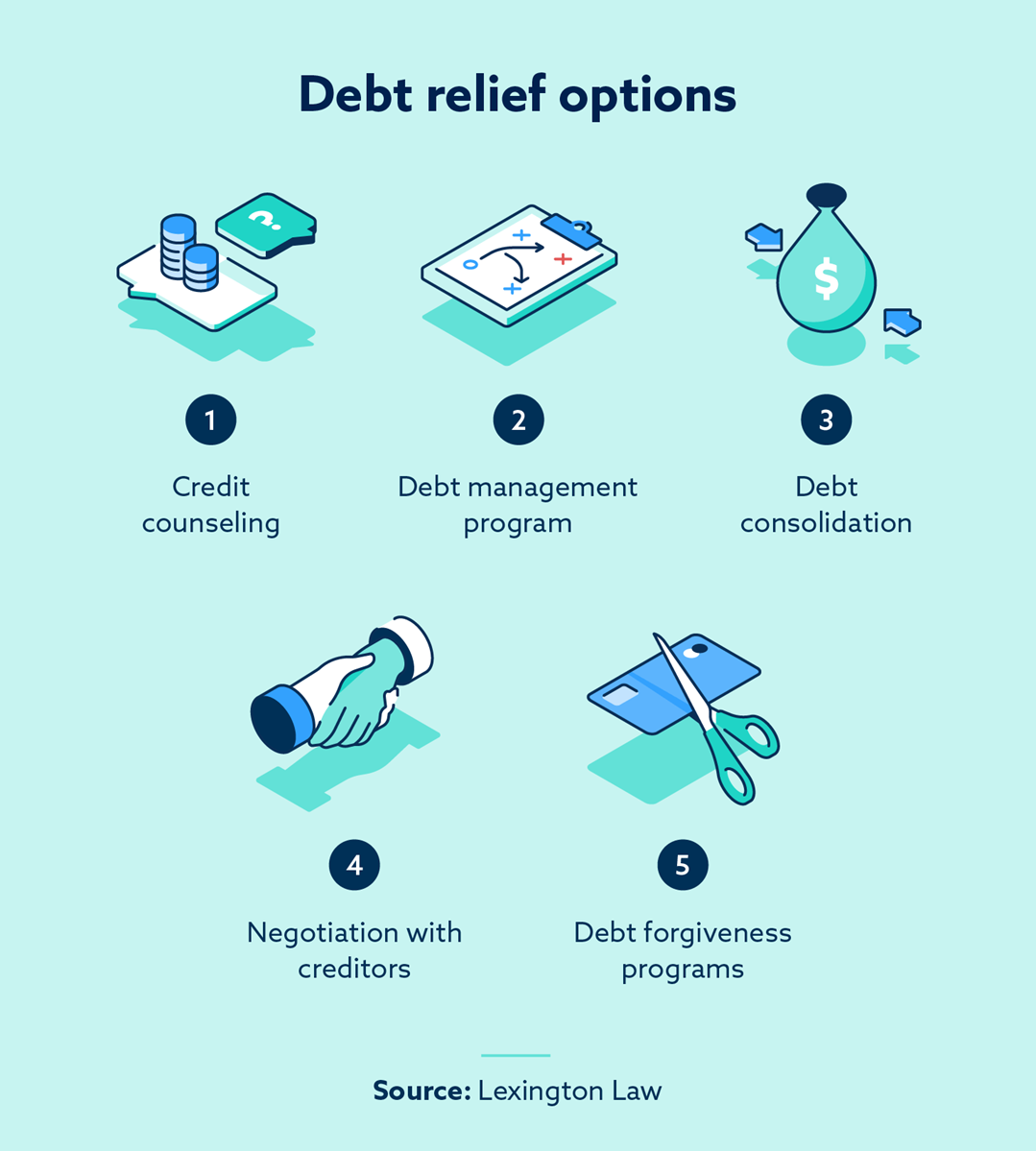
With these strategies, not-for-profit companies bargain with financial institutions to decrease rate of interest, usually dropping them to solitary figures from the 20-plus percent common on debt cards. Late charges and over-limit costs commonly get forgoed for registered accounts. Consumers make solitary monthly repayments to the counseling company, which distributes funds to lenders according to bargained terms.
Plans commonly span three to five years, with ordinary completion around 40 months according to market information. Unlike financial debt mercy, customers repay their full principal, preserving credit much more properly while still attaining significant financial savings via rate of interest reduction.
Qualification needs demonstrating capacity to preserve settlements throughout the plan term. Accounts should typically be closed upon registration, preventing service charge while dealing with existing equilibriums. This compromise in between credit score access and financial obligation resolution represents a crucial consideration for consumers considering options.
Red Flags and Indication in the red Alleviation
The financial obligation alleviation industry unfortunately brings in predacious operators together with genuine nonprofits. Acknowledging indication aids customers prevent services that may aggravate their situations.
In advance charges prior to solutions make stand for a substantial red flag. Federal regulations forbid debt settlement companies from billing costs until successfully working out settlements and getting a minimum of one repayment towards the cleared up quantity. Business asking for significant settlements prior to demonstrating outcomes likely break these securities.
Warranties of certain financial savings percents or promises to get rid of financial debt entirely should cause uncertainty. Legit counselors acknowledge that lender engagement differs and end results depend on individual scenarios. No firm can guarantee creditor collaboration or specific negotiation amounts.
Recommendations to stop paying creditors while building up funds for negotiation creates considerable risk. This technique, usual among for-profit negotiation business, creates additional late fees, interest charges, and possible claims while harming credit scores additionally. Not-for-profit agencies generally inhibit this strategy.
Pressure methods, limited-time deals, or reluctance to offer written info about fees and services suggest bothersome drivers. Credible nonprofits offer comprehensive explanations, response concerns patiently, and allow consumers time to make educated choices.
Tax Obligation Ramifications of Forgiven Financial Obligation
Consumers going after financial obligation mercy need to recognize prospective tax effects. Under government tax obligation regulation, forgiven financial debt quantities exceeding $600 typically make up taxed earnings. Financial institutions report these total up to the IRS through Kind 1099-C, and consumers need to report them on annual income tax return.
For a person settling $30,000 in debt for $15,000, the forgiven $15,000 could increase gross income substantially, possibly generating unexpected tax obligation obligation. Consulting with tax obligation professionals prior to registering in mercy programs aids consumers prepare for these responsibilities.
Certain exemptions exist, consisting of bankruptcy stipulations for consumers whose liabilities went beyond possessions at the time of mercy. Bankruptcy-discharged financial obligation additionally obtains different treatment. These intricacies reinforce the worth of expert support throughout the debt resolution procedure.
Deciding: Which Course Onward
Choosing in between debt mercy, debt administration strategies, and personal bankruptcy requires honest assessment of specific scenarios. Numerous questions assist this examination.
Can you keep organized repayments over three to 5 years? If yes, debt management strategies preserve credit score while lowering prices. If settlement ability is badly restricted, mercy programs or insolvency may prove better suited.
Just how overdue are your accounts? Debt mercy usually needs considerable delinquency, making it improper for customers current on repayments that simply want remedy for high interest rates.
What are your lasting economic goals? Bankruptcy stays on credit rating reports for 7 to ten years, while resolved accounts effect scores for shorter periods. Consumers planning major purchases like homes within several years might prefer options with much less long-term credit rating impacts.
A lot of not-for-profit companies supply cost-free preliminary assessments, allowing expedition of choices without commitment. Taking benefit of these sessions with several providers aids consumers understand available paths and make notified selections about which company and program best fits their demands.
The Path Toward Financial Healing
Overwhelming financial obligation creates tension extending far past monetary worries, influencing health and wellness, connections, and quality of life. Comprehending readily available choices stands for the necessary very first step toward resolution and eventual recuperation.
Not-for-profit credit score therapy companies supply structured pathways toward financial obligation alleviation, whether with management plans reducing rate of interest while maintaining complete repayment, forgiveness programs resolving financial debts for much less than owed, or insolvency counseling assisting consumers via legal discharge processes.
Success needs honest financial evaluation, mindful supplier examination, and dedication to whatever resolution strategy arises. The journey from economic crisis to stability requires time, however millions of consumers have navigated it successfully with proper specialist assistance.
Sudden Inheritance or Lump-Sum Payouts: Avoiding New Debt When a Windfall ArrivesFor those currently battling under debt worries, sources exist to help. The challenge lies not in locating help yet in finding the appropriate support, correctly matched to private circumstances and goals. That matching procedure, taken on thoughtfully with info collected from numerous resources, produces the foundation for lasting financial recovery.

Table of Contents
- – The Expanding Need for Financial Debt Alleviat...
- – Recognizing Just How Financial Debt Mercy In F...
- – Insolvency Counseling: Needed Steps and Readil...
- – Contrasting Nonprofit Service Providers: What ...
- – Financial Debt Management Plans: The Happy Med...
- – Red Flags and Indication in the red Alleviation
- – Tax Obligation Ramifications of Forgiven Finan...
- – Deciding: Which Course Onward
- – The Path Toward Financial Healing
Latest Posts
Our Restoring Your Credit Score Post Debt Forgiveness Statements
What Does Community-Based Cultural Dimensions of Money: Tailoring Counseling for Diverse Financial Beliefs Organizations Explained Do?
How Chapter 7 Basics Before Filing can Save You Time, Stress, and Money.
More
Latest Posts
Our Restoring Your Credit Score Post Debt Forgiveness Statements
How Chapter 7 Basics Before Filing can Save You Time, Stress, and Money.